Two ideas of the electric future
There is a temptation, whenever two electric cars are placed side by side, to reduce the conversation to a single number and let the stopwatch decide. It is a tidy way to lose the plot. The Éire Eden GT and the Tesla Model S Plaid are both powered by electrons and both wear four-figure ambitions, yet they answer entirely different questions. The Plaid asks how much performance can be democratised; the Eden GT asks what a car becomes when it is made for occasion rather than spectacle.
The Model S Plaid is, by any honest measure, a remarkable machine. Its tri-motor architecture delivers acceleration that humbles cars costing several times as much, and Tesla's engineering has made that ferocity astonishingly repeatable and accessible. It is a genuine landmark — proof that the electric era need not be slow, dull or distant. To pretend otherwise would be churlish.
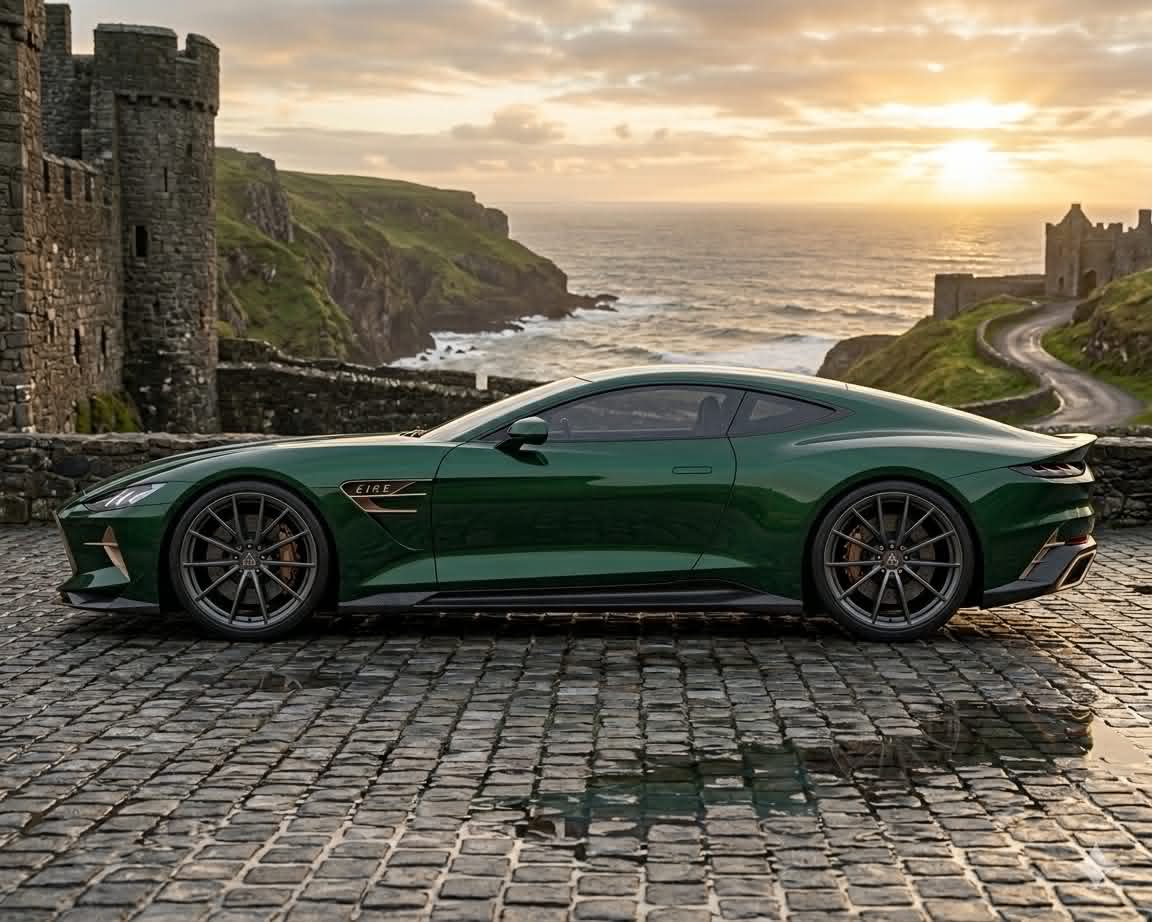
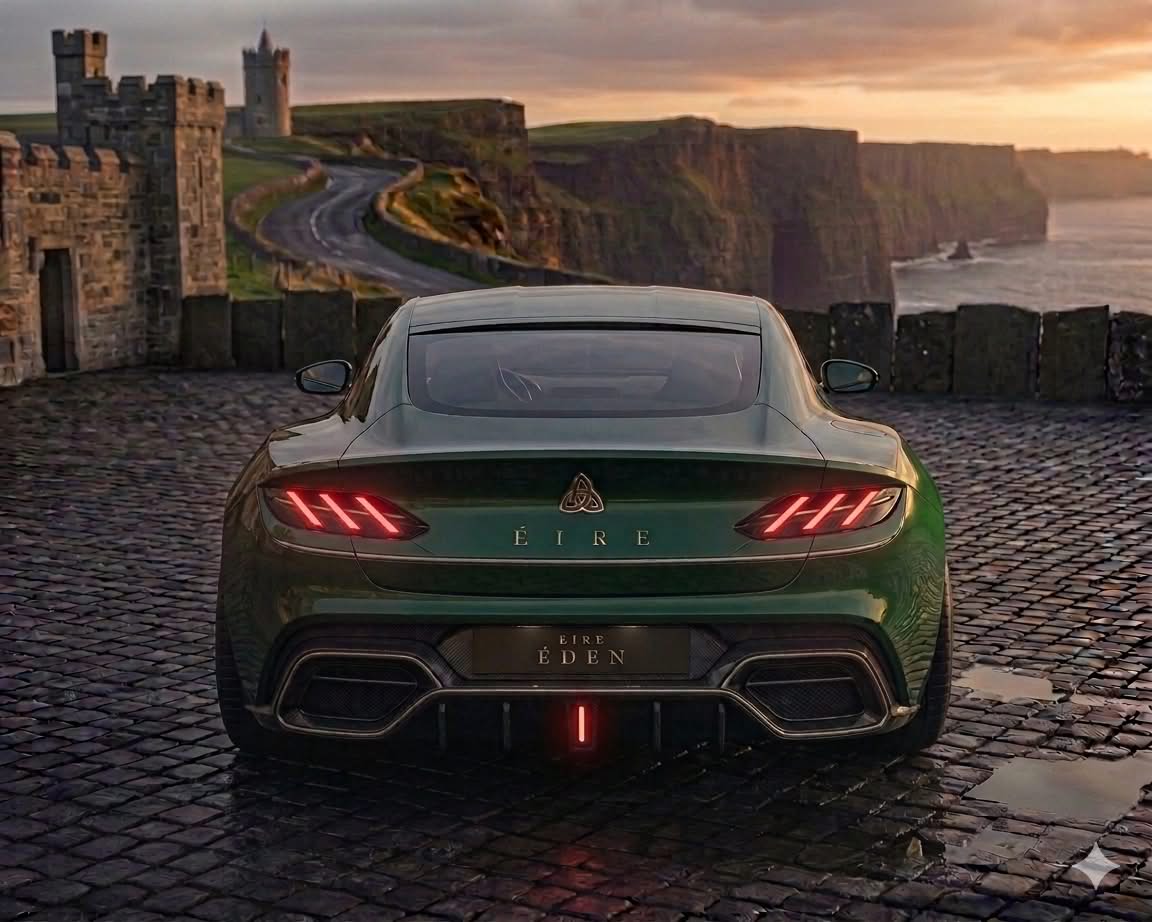
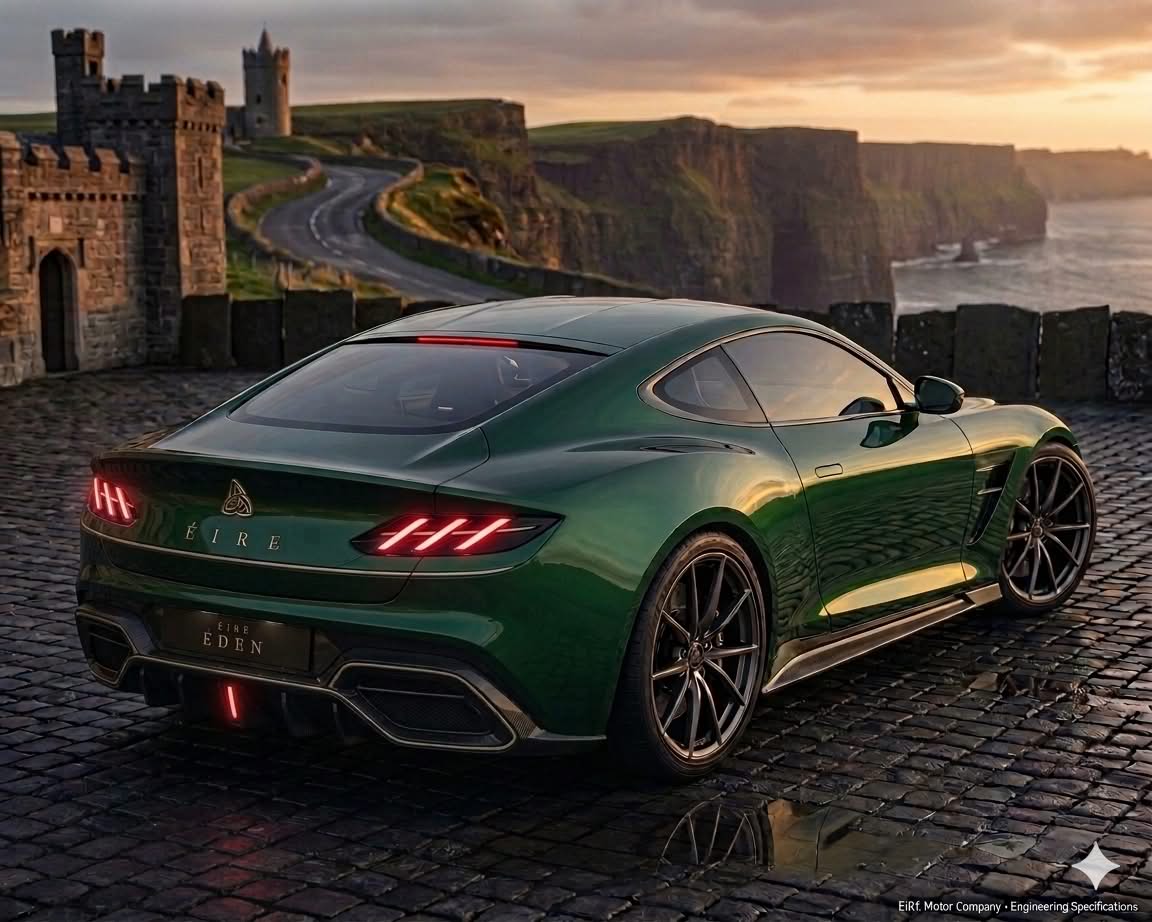
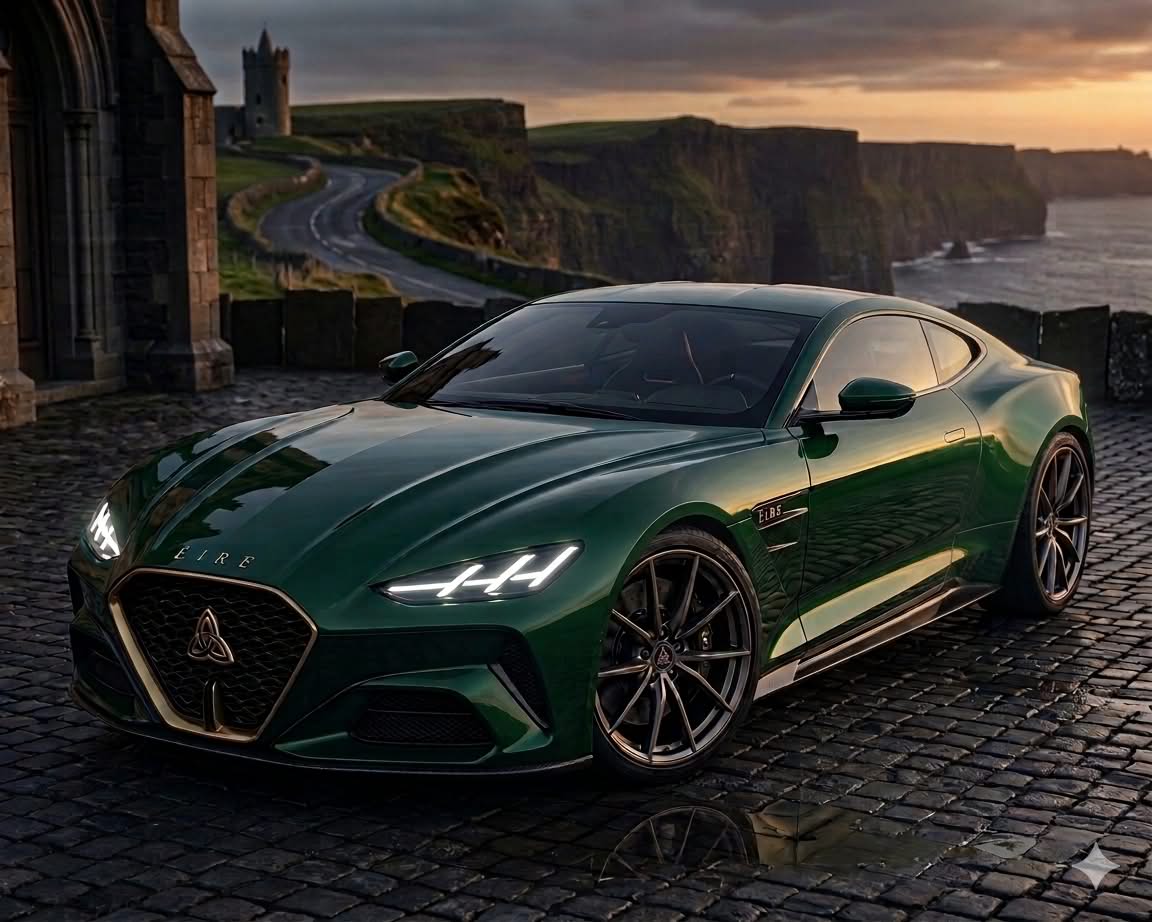
The Eden GT begins somewhere else entirely. It is an all-electric 2+2 grand tourer, all-wheel drive, conceived in Ireland and built around the idea that distance should feel effortless and arrival should feel like an event. Where the Plaid chases the headline, the Eden GT pursues the hours in between — the long sweep of a coast road, the hush of the cabin, the sense that the journey itself is the point.
Neither philosophy is wrong. They are simply not the same car, and they were never meant to be.
Performance, and the trouble with numbers
Let us be candid about the Plaid's defining gift: straight-line speed. Its tri-motor system produces acceleration so violent and so consistent that it has become a kind of cultural shorthand for electric performance. For a four-door saloon to dispatch a sprint quicker than many purpose-built supercars is a genuine feat of engineering, and Tesla deserves every ounce of the credit it receives for it.
The Eden GT does not enter that arms race, and it does not pretend to. Its performance is stated as design intent — all-wheel-drive traction, instant torque, the immediate, seamless response that defines a well-resolved electric powertrain. The aim is not to win an argument at the lights but to deliver thrust that feels endless and unhurried, the kind of accumulating pace that flatters a fast road rather than a drag strip.
This is the older grand-touring idea, recast in electricity. A GT was never about the violence of the launch; it was about the way a car gathers speed across a continent without ever seeming to strain. The Eden GT is being shaped around near-silent refinement and a target range of more than 300 miles — figures meant to serve the journey, not to settle a stopwatch quarrel.
If your measure of a car is the first sixty miles per hour, the Plaid will always win, and it should. If your measure is the next three hundred miles, the question becomes far more interesting.
Craft, occasion and the value of scarcity
Here the two cars diverge most completely. The Model S Plaid is, by design and by virtue, a car of scale. Tesla's achievement is industrial as much as technical — it has made formidable performance reproducible thousands of times over, and that accessibility is precisely the point. A Plaid is meant to be attainable in a way that exotic performance rarely is, and there is real democratic beauty in that.
The Eden GT travels in the opposite direction. It is strictly limited to fifty cars, hand-finished, and drawn from a distinctly Irish vocabulary of design and craft. Scarcity here is not a marketing flourish but a consequence of how the car is made — the patience of finishing, the refusal to dilute, the conviction that fifty considered objects can mean more than fifty thousand competent ones.
That difference reaches into the cabin. The Plaid's interior is clean, technological and resolutely modern — an architecture of glass and minimalism that has shaped an entire industry's expectations. The Eden GT answers with material and gesture: surfaces that reward a second glance, detailing that carries the unmistakable mark of the hand, an interior conceived as a room one is glad to spend hours within.
Both are valid expressions of luxury. One is the luxury of access; the other, the luxury of restraint.
Software, charging and living with the car
It would be foolish to discuss the Model S Plaid without acknowledging two of its great practical strengths: its software and its charging network. Tesla's over-the-air intelligence and its Supercharger network together remain a benchmark for how an electric car can be lived with — a frictionless ecosystem that turns long journeys into ordinary ones. For everyday usability, few rivals come close, and the Eden GT's makers would be unwise to pretend otherwise.
The Eden GT's response is not to imitate that scale but to interpret the digital cockpit through its own lens. Its software-first cabin already exists as live, interactive browser previews — a sign that the digital experience is being treated as a designed object in its own right, integral to the car rather than bolted to it. The intention is calm and considered: technology that serves the occasion rather than competing for attention with the road.
On range, the Eden GT targets more than 300 miles — enough for the long, unbroken drives a grand tourer exists to make. The emphasis is less on the absolute headline figure and more on the character of the journey: the quiet, the composure, the sense that the car disappears beneath you and leaves only the country ahead.
Ownership, too, will feel different. The Plaid is bought; the Eden GT is reserved, with reservations planned to open to subscribers first — a quieter, more deliberate entry into a very small circle of cars. It is the difference between joining a network and joining a story.
Which future is yours?
To frame this as a contest of speed is to miss what makes both cars worth discussing. The Model S Plaid is a triumph of accessible, repeatable, record-breaking performance — a car that proved the electric future could be thrilling and within reach at once. Anyone drawn to its blend of pace, technology and everyday usability is responding to something genuinely excellent.
The Eden GT offers a different proposition: an all-electric Irish grand tourer, hand-finished and limited to fifty, built around craft, occasion and the unhurried pleasure of covering ground. It is currently in development, its performance stated as intent rather than boast, and its appeal aimed squarely at those for whom how a journey feels matters more than how quickly it ends.
Two cars, two ideas of the electric future. The Plaid wants to give everyone the extraordinary. The Eden GT wants to give fifty people something they will never quite be able to replace. Born of Ireland, built for the world — it is not the faster answer, but for the right owner it may be the more lasting one.