What makes a road great for grand touring
The grand tourer is a particular kind of machine, and it asks for a particular kind of road. Not the manic, second-gear hairpins that reward only the stopwatch, but the long, flowing, generous sort of road — the kind that opens out ahead of you and keeps giving, mile after mile, with a rhythm you settle into rather than fight against. A great touring road is measured not in lap times but in light, in the way a valley reveals itself around a bend, in the pleasure of covering distance beautifully.
These roads tend to share a character. They are long enough to make a day of, scenic enough to reward the glance you steal from the apex, and varied enough that no two miles feel quite the same. They flow rather than jab. They invite a relaxed, confident pace — the pace at which you notice the bog cotton and the slate-grey light and the sudden silver of the sea. This is the difference between driving and being driven somewhere. The grand tourer exists for the former.
Ireland, as it happens, is built almost entirely from such roads. The island is small enough to cross in a long, unhurried day, yet its coastline alone runs to thousands of miles of inlet and headland and switchback. The landscape changes constantly — mountain, bog, strand, drystone wall — and the roads follow it faithfully, never quite straightening, never quite letting you stop paying attention.
The Atlantic edge: the Wild Atlantic Way
No conversation about Ireland's driving roads begins anywhere but the Wild Atlantic Way — the vast coastal route that traces the country's western edge from the top of Donegal down to the harbours of Cork. It is one of the longest defined coastal touring routes in the world, and to drive even a stretch of it is to understand why the grand tourer was invented.
The Way is not a single road so much as a thread strung between a thousand headlands, and it rewards exactly the kind of travel a GT is made for: long hours behind the wheel, the Atlantic always somewhere to your right, the surface rising and falling with the cliffs. Within it sit some of the island's most storied passages. Connemara, in the west of Galway, is a country of quartzite mountains and black bog lakes and roads that seem to have been laid down by water rather than engineers — empty, elemental, and wide open to a long, flowing pace.
Further south, the Ring of Kerry loops the Iveragh Peninsula in a single grand circuit of mountain pass and sea view, perhaps the most celebrated touring road in the country. It is at its best driven slowly and early, before the day fills it, when the light is still low across the MacGillycuddy's Reeks and the road is yours alone. This is grand touring in its purest form: a route that is itself the destination.
An electric grand tourer belongs here in a way that is almost uncanny. The Atlantic coast is a place of silence and weather and enormous space, and a near-silent car lets all of it in. There is no mechanical clamour between you and the sound of the surf — only the hush of tyres and wind, and the landscape arriving uninterrupted.
Mountain and coast: Wicklow and Antrim
You need not reach the western seaboard to find great roads. Just south of Dublin, the Wicklow Mountains rise almost from the suburbs, and through them runs the Sally Gap — a high, lonely military road across open blanket bog, all sweeping curves and sudden long views down into glacial valleys. It is one of the finest drives in the country and among the most accessible, a reminder that grand touring need not be an expedition; sometimes it is simply an afternoon.
To the north, the Antrim Coast — the Causeway Coastal Route — runs along the edge of the country past basalt cliffs, glens and the famous geometry of the Giant's Causeway. It is a road that hugs the sea closely, threading beneath headlands and through villages, with the Scottish coast sometimes visible across the water. Like the best touring roads, it is generous and flowing, asking to be driven at a pace that leaves room to look.
What these roads share — Wicklow's high bog and Antrim's basalt edge alike — is that they reward composure over aggression. They are long, sweeping and scenic, exactly the canvas a grand tourer is painted for. Instant, seamless torque makes the kind of effortless overtake and uphill surge these roads occasionally ask for feel like a thought rather than an event, and an all-wheel-drive grand tourer holds its line with quiet authority through weather that the Irish sky supplies generously and without warning.
The electric grand tourer, born for these roads
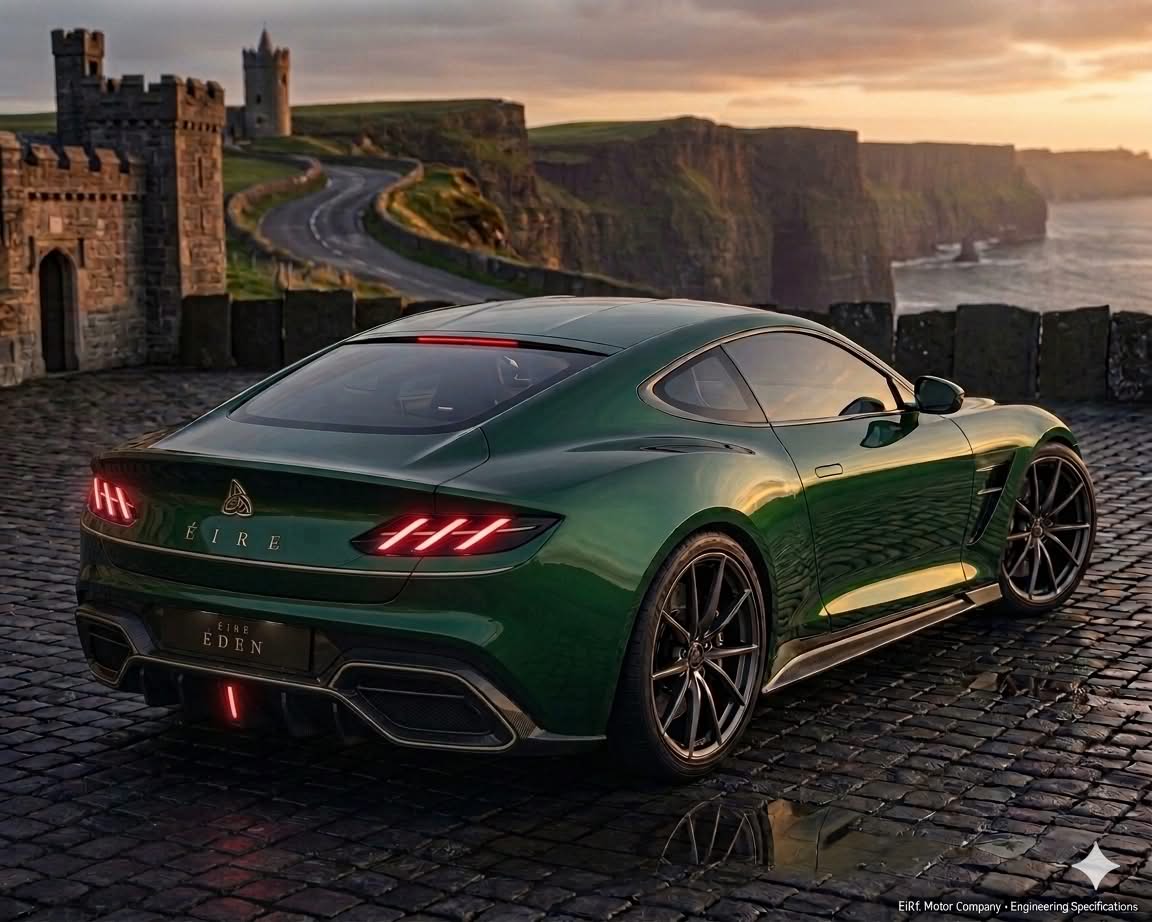
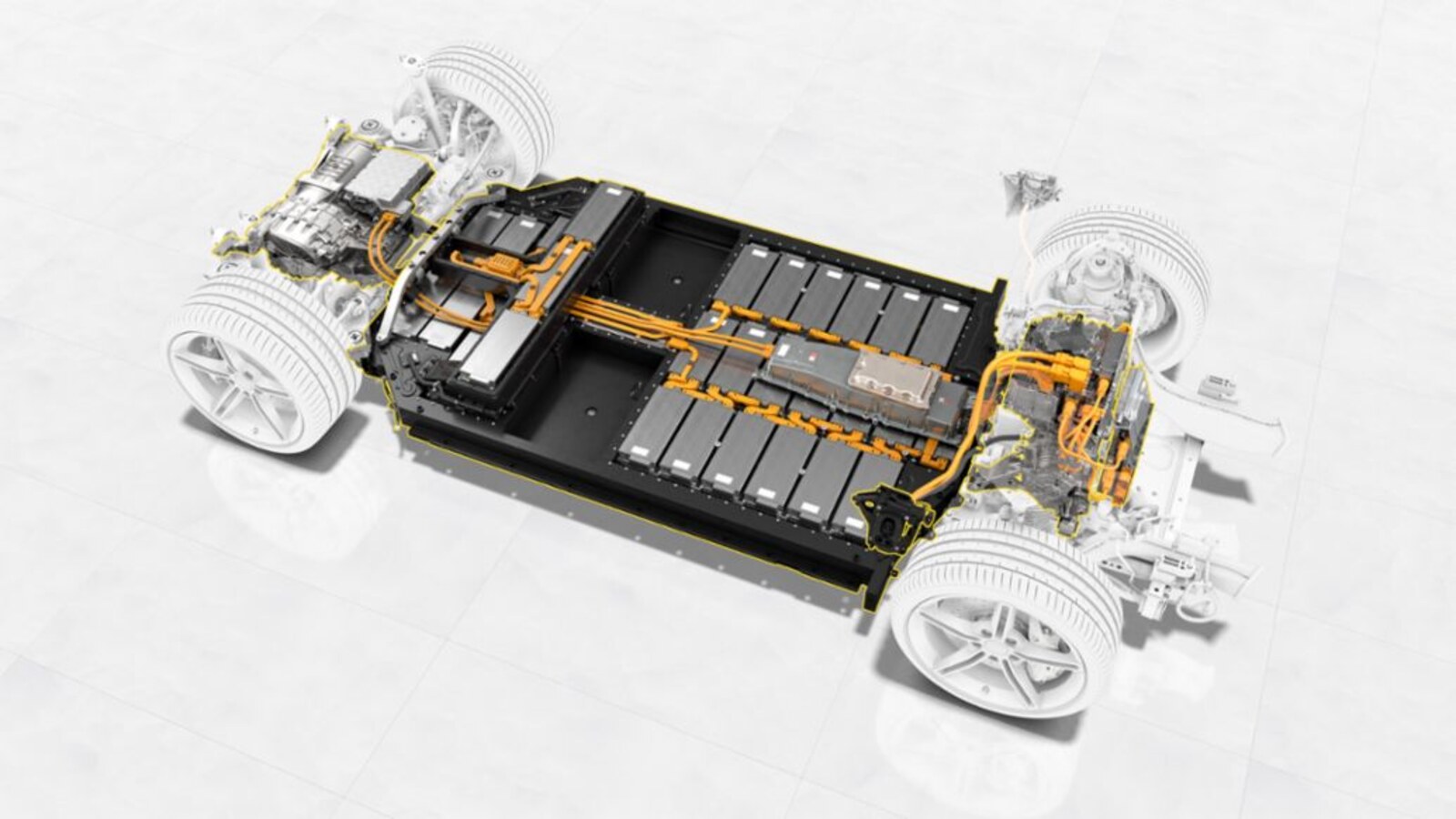
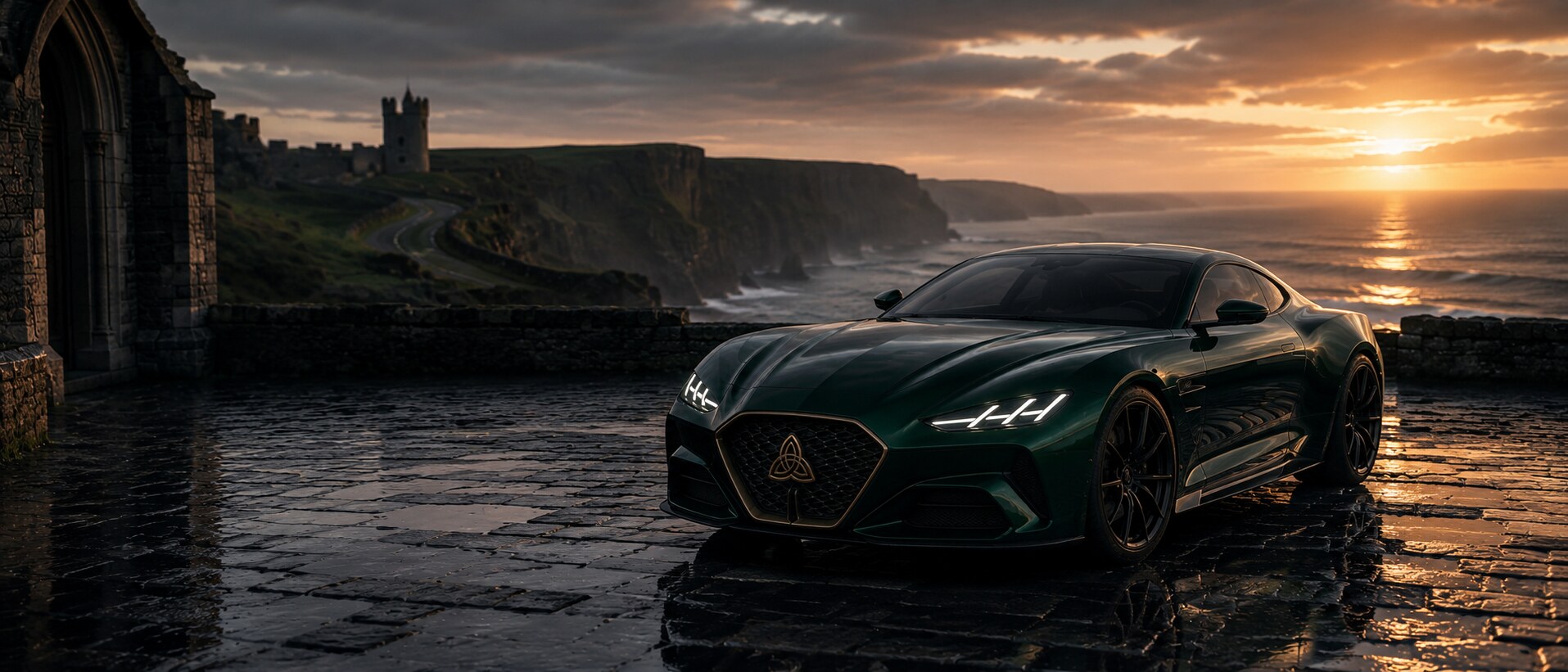
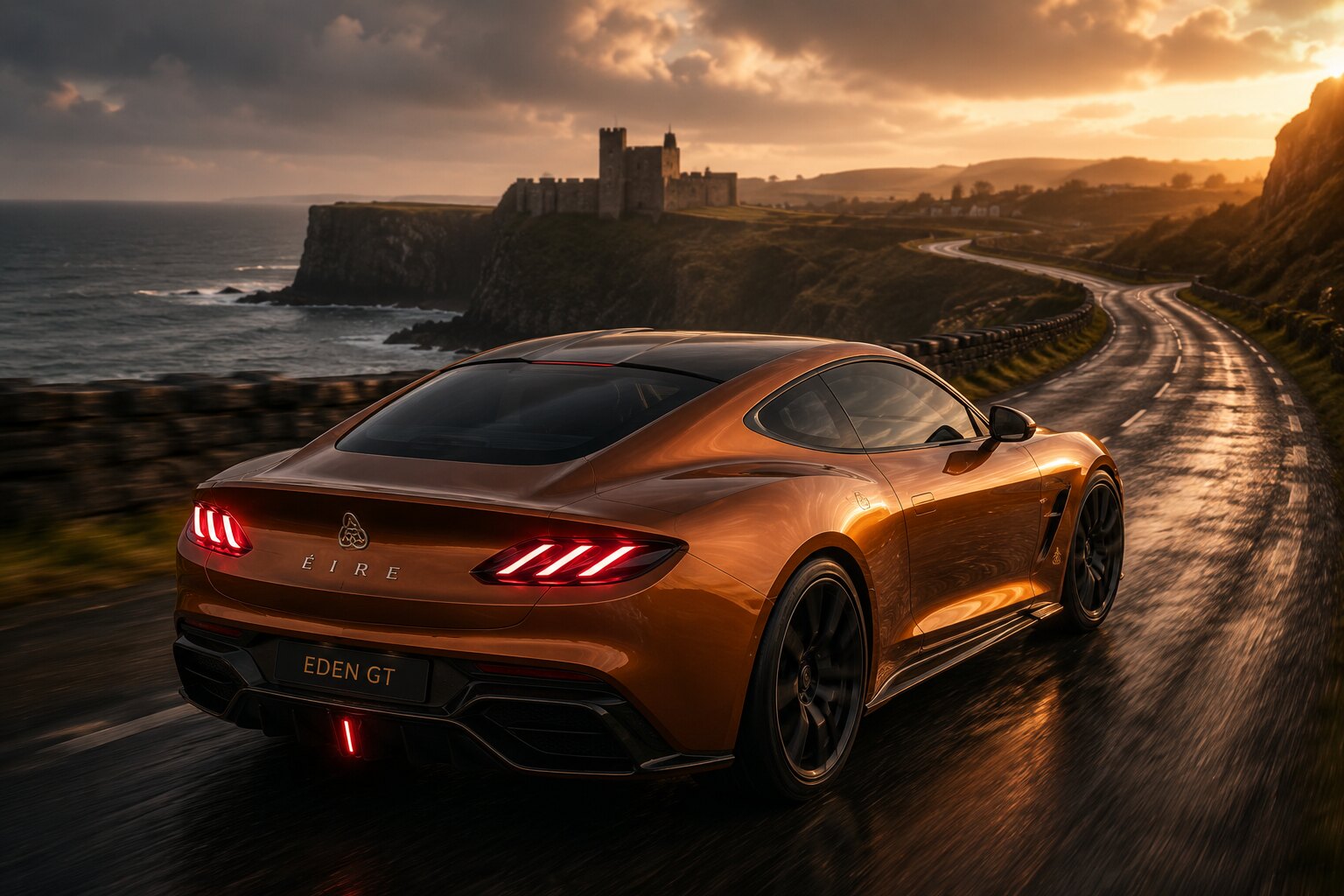
There is a temptation to think of the electric car as a creature of the city — efficient, quiet, sensible. But the long, flowing Irish road is where the electric grand tourer reveals its real character. The Éire Eden GT is an all-electric 2+2 luxury grand tourer, all-wheel drive, with a target range of more than 300 miles — and it is being shaped, quite deliberately, for exactly this landscape.
Consider what these roads ask for. Long-legged ease, so that a day on the Wild Atlantic Way passes without fatigue. Instant torque, for the unhurried surge out of a hairpin and onto the next straight. Near-silence, so that the place itself — the sea, the wind, the curlew — is never drowned out. And refinement enough that the miles feel like a pleasure rather than a toll. An electric grand tourer answers every one of these in its native language.
The Eden GT is hand-finished with Irish-inspired craft and carries a software-first digital cockpit — a cabin meant to feel like a calm room moving through a wild country. It is strictly limited to fifty cars and remains in development, a machine being drawn, in a real sense, around the roads it is meant to travel. Born of Ireland. Built for the World. The phrase is not idle; the country is, quite literally, the brief.
Touring by electric: a few gentle notes
Grand touring by electric car asks for a little forethought, but less every year. The pleasure of the long Irish road is the pleasure of the unhurried, and that temperament suits electric travel well: you plan your stops, you pause where the view is worth pausing for, and you let the car gather charge while you gather yourself over coffee. A target range of more than 300 miles covers a generous day's touring before any stop is required at all.
Ireland's public charging network is growing steadily, with fast chargers appearing along the main touring corridors and in the towns that punctuate the great routes. A sensible approach is the old one rediscovered: plan the day around the places you want to stop anyway — a harbour, a headland, a town with a good lunch — and let charging fall naturally into that rhythm rather than imposing its own. The remoter stretches of the western seaboard reward a little extra planning, but that, too, is part of the grammar of a great road trip.
Driven this way, the electric grand tourer does not merely tolerate the Irish road — it completes it. Silence to match the landscape, range enough to roam, and a pace that finally matches the one these roads were always asking for. The great touring roads of Ireland have been waiting a long time for a car like this. It is, fittingly, being built here.