The gaps in combustion
A turbocharged engine cannot respond instantly: exhaust gases must spin the turbines up before full boost arrives — the famous turbo lag. Likewise, even the fastest transmissions momentarily interrupt drive while changing gear. Engineers have spent decades shaving these gaps; physics keeps a floor under them.
An electric motor has no such floor. Its torque is available in milliseconds, from zero rpm, every time.
Filling the gaps
Torque fill uses the hybrid system’s motor to supply exactly the torque the engine cannot yet deliver: the instant of throttle before boost builds, the moment of handover between gears. The driver experiences one continuous surge — the engine feels bigger, the gearbox feels invisible, and the car simply goes.
The world’s great performance-hybrid makers all practise versions of this art; it is much of why modern hybrid flagships feel so devastatingly responsive.
Éire’s obsession: continuous thrust
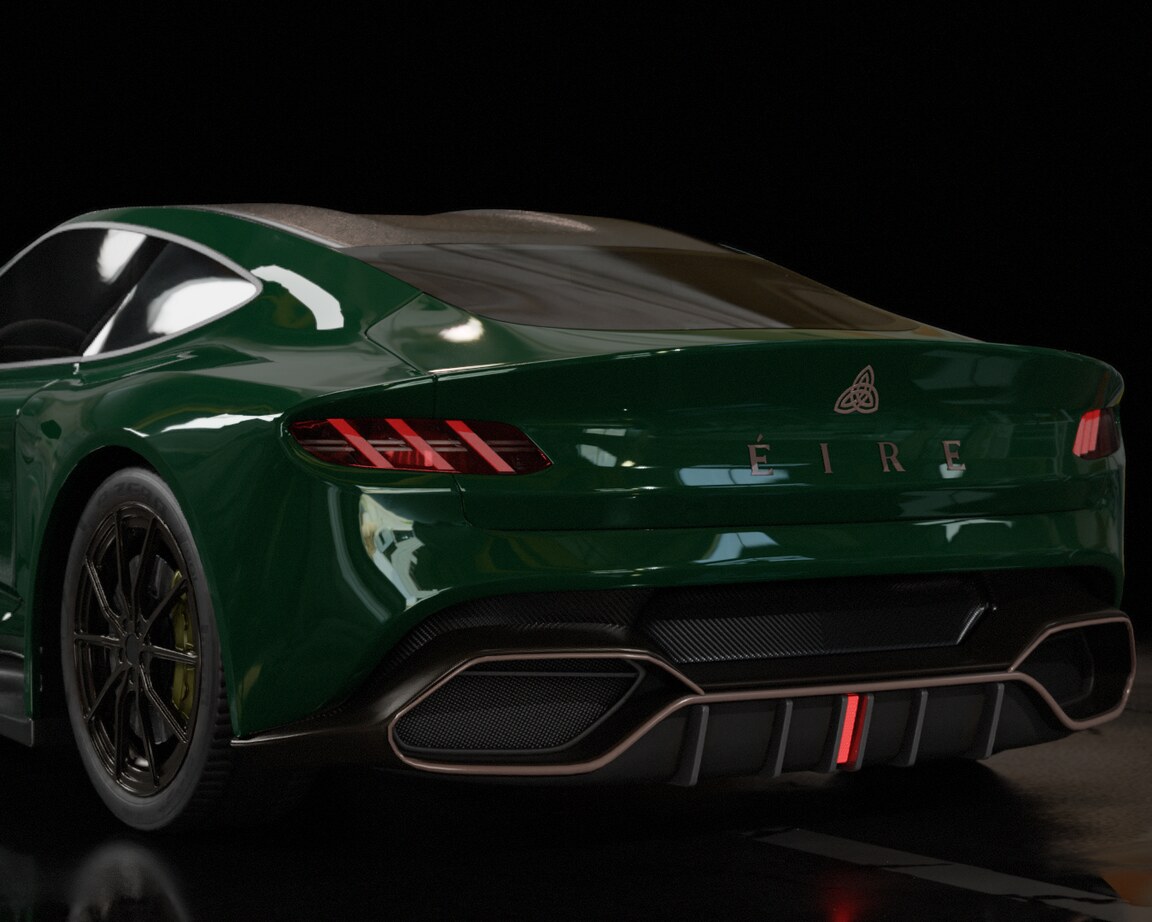
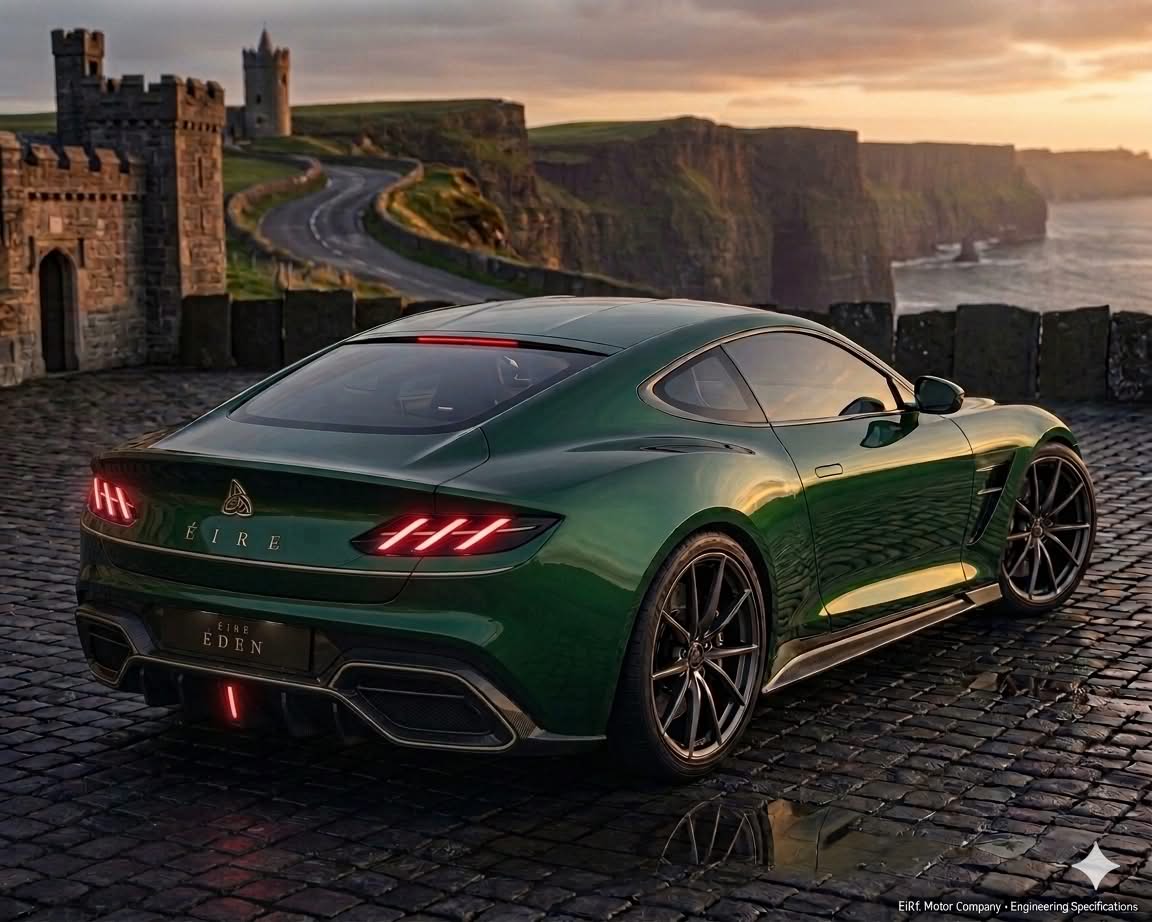
For the Éire Eden GT, torque fill is not a feature but a philosophy: coordinate every torque source — engine, motor, transmission — so acceleration feels continuous from the first millimetre of throttle to the top of the final gear. The turbochargers are freed to chase sustained power rather than instant response, because instant response is the motor’s job.
It is one more expression of the Éire engineering thesis: an electric motor doesn’t replace a great V8. It makes one better.