The fixed costs do not care how many you build
Every new car begins with a mountain of spending that happens before the first customer car exists. Design and engineering. Dies and moulds to make the body panels. Fixtures and jigs to hold everything in position during assembly. Crash testing, which destroys real cars by the handful. Emissions and noise certification. Durability work that puts prototypes through heat, cold, salt and corrugated roads for months. None of that is optional, and almost none of it gets cheaper because you plan to make fewer cars.
A mass-market manufacturer spreads that bill across hundreds of thousands of units. Divided that many ways, even a very large development programme adds only a modest amount to each car. A low-volume maker divides the same categories of cost by a few hundred, or a few dozen. The per-car share of engineering and certification alone can exceed what an ordinary family car costs in total — before a single body panel has been made.
This is amortisation, and it is the single biggest reason exotic cars are priced the way they are. A small manufacturer is not charging more because it can; it is charging what the arithmetic demands, and then trying to make the car worth it.
Steel is cheap because of the press, not the metal
A stamped steel door skin is one of the cheapest things in the industry to make — per unit. The press that makes it is not. Tooling a full set of body dies for a mass-produced car runs well into the tens of millions, and the only thing that justifies it is the knowledge that those dies will stamp panels every few seconds for years. The press turns an enormous one-time cost into a trivial per-panel cost.
Take the volume away and the press stops making sense. A boutique automaker cannot justify hard tooling for a body it will make in the dozens, so it reaches for processes with low tooling costs and high per-unit costs instead: composite panels laid by hand into moulds, aluminium formed over bucks or machined from billet, small-batch castings. Each is the right choice at low volume, and each costs far more per piece than stamping, because the labour is in the part rather than in the tool.
Carbon fibre is the clearest example. A hand-laid composite panel is built up from sheets of pre-impregnated fabric, placed one at a time, by hand, at specific angles, then bagged and cured under heat and pressure in an autoclave. The raw material is expensive; the labour is more so; the cure cycle ties up equipment for hours per part; and the trimming, sanding and inspection afterward are done by people, not machines. A single large composite panel can represent a working day or more; the steel equivalent takes seconds. Carbon is not chosen for the drama. It is chosen because it gives a small maker a stiff, light body without a press line, from moulds that cost a fraction of steel dies.
Hand assembly, and the time a single car takes
A high-volume assembly line is a machine for removing human time from a car. Robots weld and paint, conveyors bring the body to the worker, each person repeats one task, and a finished car rolls off the end roughly every minute. The total human labour inside a mass-market car is measured in a few dozen hours.
Low-volume assembly inverts the arrangement. The car sits still, often in a single bay, and the people come to it. There is no cadence of one a minute; there is one car, and the question is how many weeks it needs. Panels are fitted and adjusted rather than simply bolted on, because hand-made parts vary in ways stamped ones do not. Looms are routed by hand. Powertrains are built up and bench-tested before they are installed. Paint is applied, flatted and polished through far more stages than a production booth would allow.
Measured in human hours, a hand-built car can carry an order of magnitude more labour than a mass-produced one, sometimes two. That time is paid at skilled rates, because the people doing it are fabricators, composite technicians and trim specialists rather than line operators. Multiply hours by rates and labour alone becomes a large fraction of what the car costs. The only way to make hand-built cheap is to stop hand-building.
Validation does not shrink with volume
A company that plans to sell fifty cars still has to prove those cars are safe, durable and legal — and the proof costs about the same as it would for fifty thousand. Crash tests consume whole vehicles, and a low-volume maker destroying a car in a barrier test is destroying something it spent months building. Regulatory frameworks in most markets offer some relief to small manufacturers, but the physics do not: the car must still protect its occupants, and the company must know, not hope, that it will.
The same is true of everything that does not show. Cooling must be proven in heat the car will rarely see. Brakes must survive abuse most owners will never inflict. Suspension parts must be cycled far beyond any sane mileage. Software must be tested against failures that may never occur. A large manufacturer runs these programmes with fleets of prototypes and proving grounds. A small one runs them with a handful of cars and a great deal of discipline — and each of those prototypes is, again, hand-built and expensive.
This is the quiet reason a serious boutique automaker builds a development car before it builds a flagship. Validation is unavoidable, so the question becomes where to do it. Doing it on a simpler, purpose-built platform — one that exists to be wrong early — retires risk before it reaches the car customers will actually buy.
The supply chain for a few dozen cars
Modern cars are assembled from parts made by other companies: brakes, bearings, glass, lighting, electronics, airbags, wiring. Those suppliers are organised around volume, with tooling, pricing and attention calibrated for customers who order in the hundreds of thousands. A boutique automaker ordering in the dozens is, from the supplier’s point of view, a rounding error — and it is treated like one.
That shows up as minimum order quantities, which mean buying far more of a component than the run requires; higher prices per part, because there is no volume to earn a discount against; and long lead times, because small orders queue behind large ones. For anything made specifically for the car — a windscreen, a harness, a bespoke casting — the supplier’s own tooling and setup is spread over the same small number of cars, with exactly the amortisation problem the automaker already faces.
Small manufacturers manage this by choosing carefully what to make bespoke and what to share: spend on what defines the car, adapt existing parts where that can be done without compromising it, and never let the second category show.
Why limited runs are not just marketing
It is easy to read “only fifty will be built” as a sales line, and sometimes it is one. But for a low-volume manufacturer the number is usually a statement of capacity. A workshop organised around hand assembly has a finite number of bays, people and autoclave hours; it can build so many cars per year to the standard it has promised, and not one more without lowering that standard.
There is a second, less obvious reason. Because fixed costs are amortised over the run, a manufacturer must decide the run length before it can price the car at all. Announcing the number locks the economics: this many cars will carry this much of the development cost, and that is what each one has to be worth. Quietly extending the run later would mean the early cars were overpriced or the later ones were built to a different standard. Serious marques do not do that, which is why a stated number tends to be a real one. We wrote more about this in why the Eden GT begins with fifty.
Keeping a car honest instead of cheap
Faced with all of this, a boutique automaker has two choices. It can chase the cost down — simplify, substitute, skip validation it hopes nobody will notice — and produce something that looks like an exotic car and behaves like a kit. Or it can accept the arithmetic and make sure every dollar of that cost is visible in the object.
Honest means a few specific things. The expensive processes are used where they matter structurally, not sprinkled on as decoration. Validation is done properly and the company can explain how. Shared parts are chosen for quality rather than convenience, and bespoke parts are bespoke because the car needed them. And buyers are told plainly what they are paying for: not a badge, but engineering hours, destroyed prototypes, hand-laid composite and people who fit panels by eye.
How this shapes what Éire builds
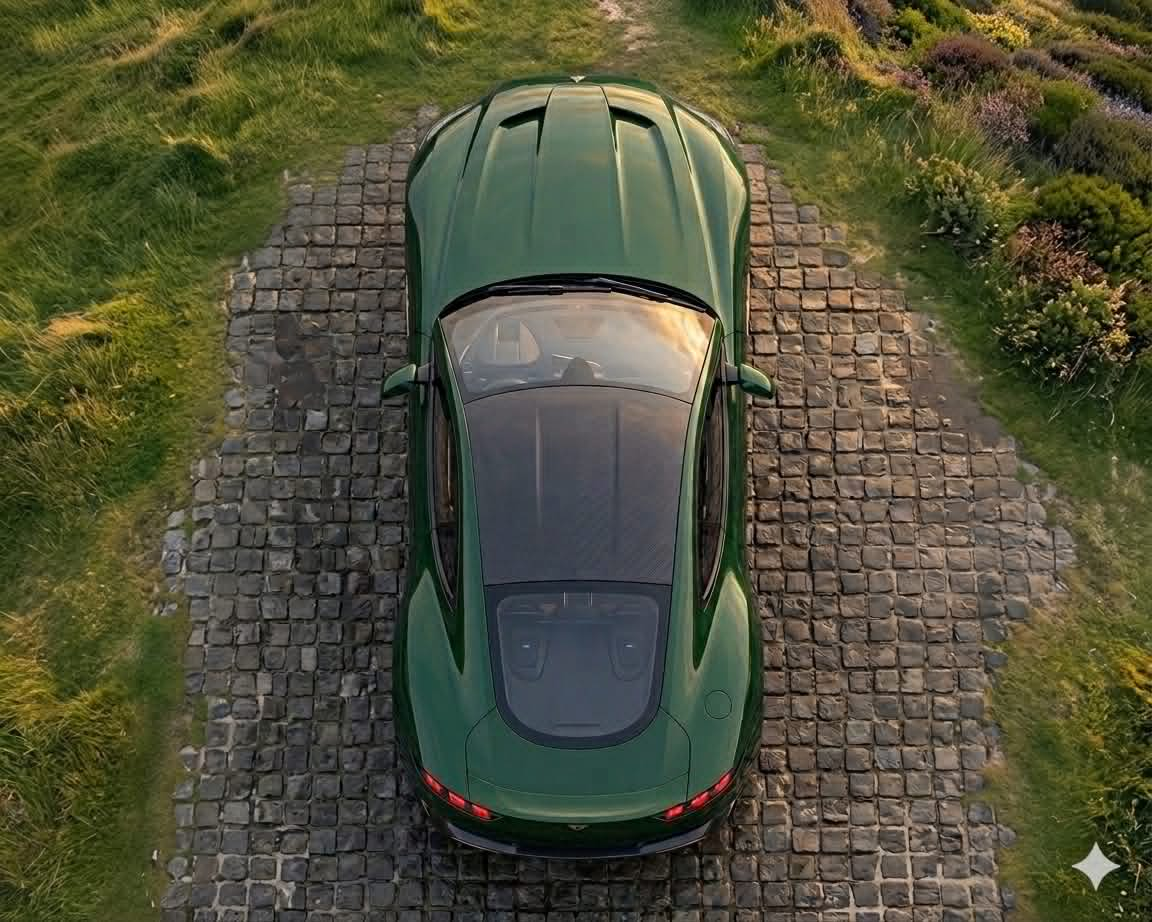
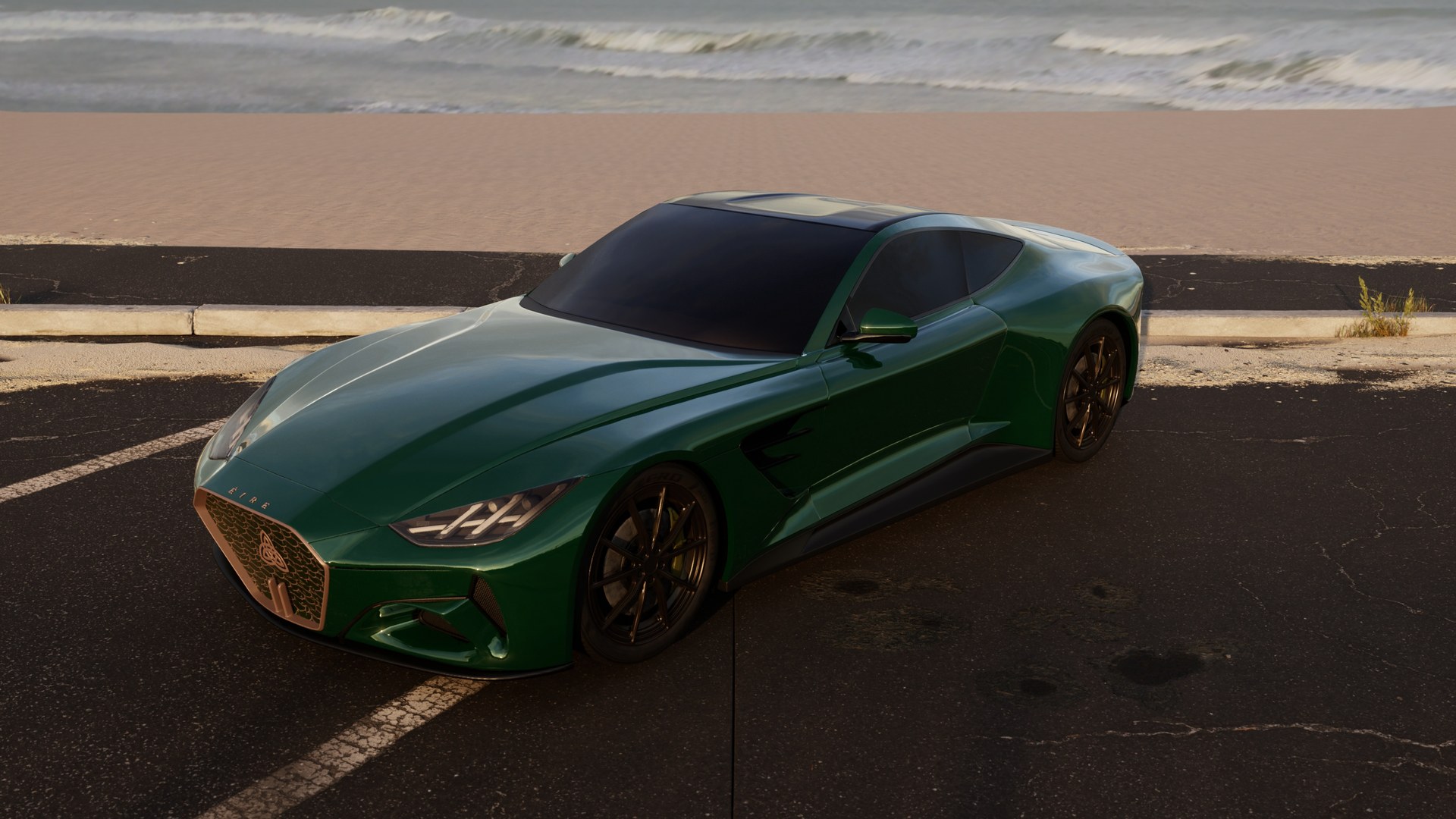
Éire Motor Company is a boutique automaker, which means every mechanism above applies to us directly. We do not have a press line and will not pretend to. The Eden GT, our V8 plug-in hybrid grand tourer, will be built in a run of fifty, and that number is the honest output of the arithmetic rather than a marketing device: it is the quantity we believe can be built to the standard the car deserves, and the number over which its development is being carried.
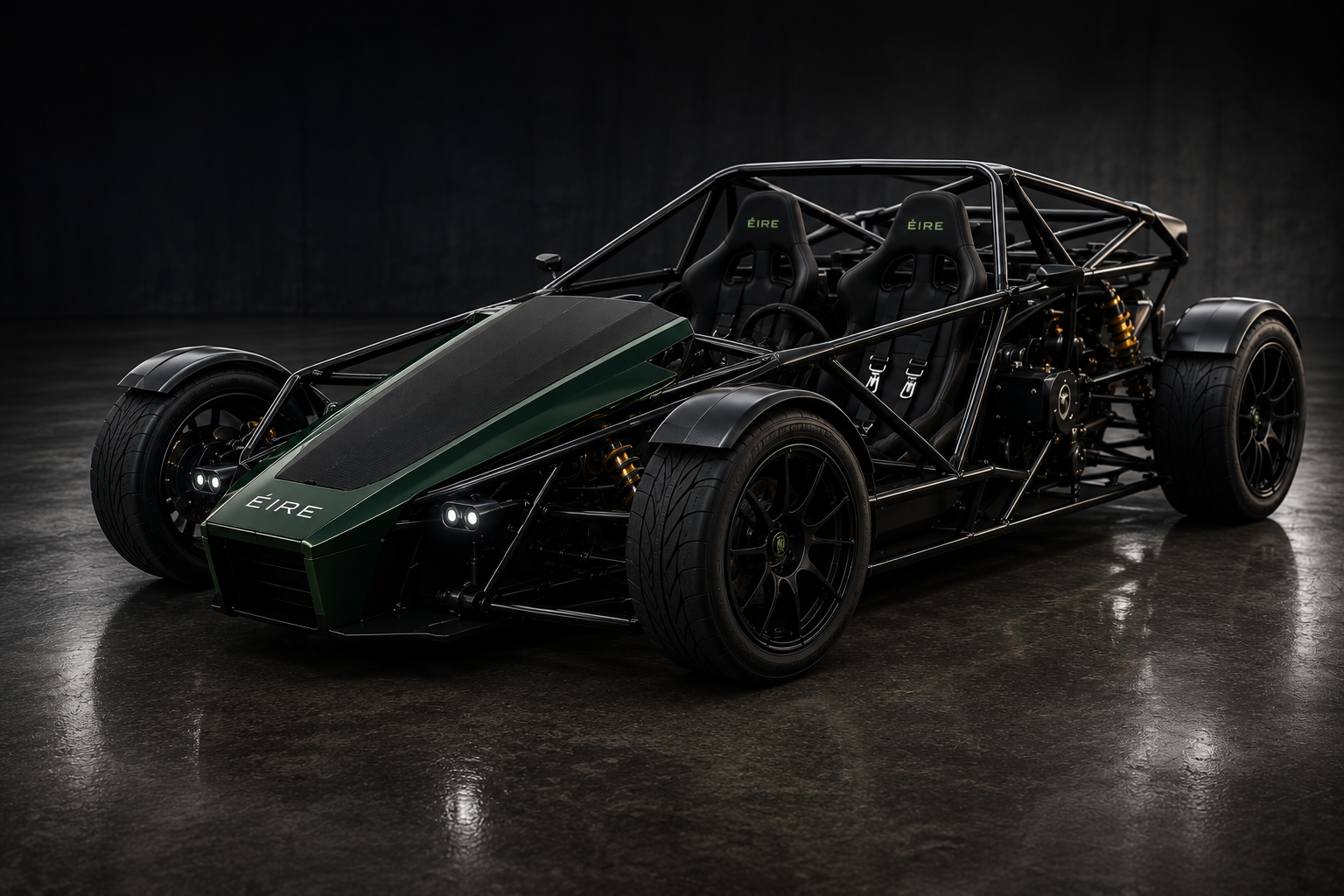
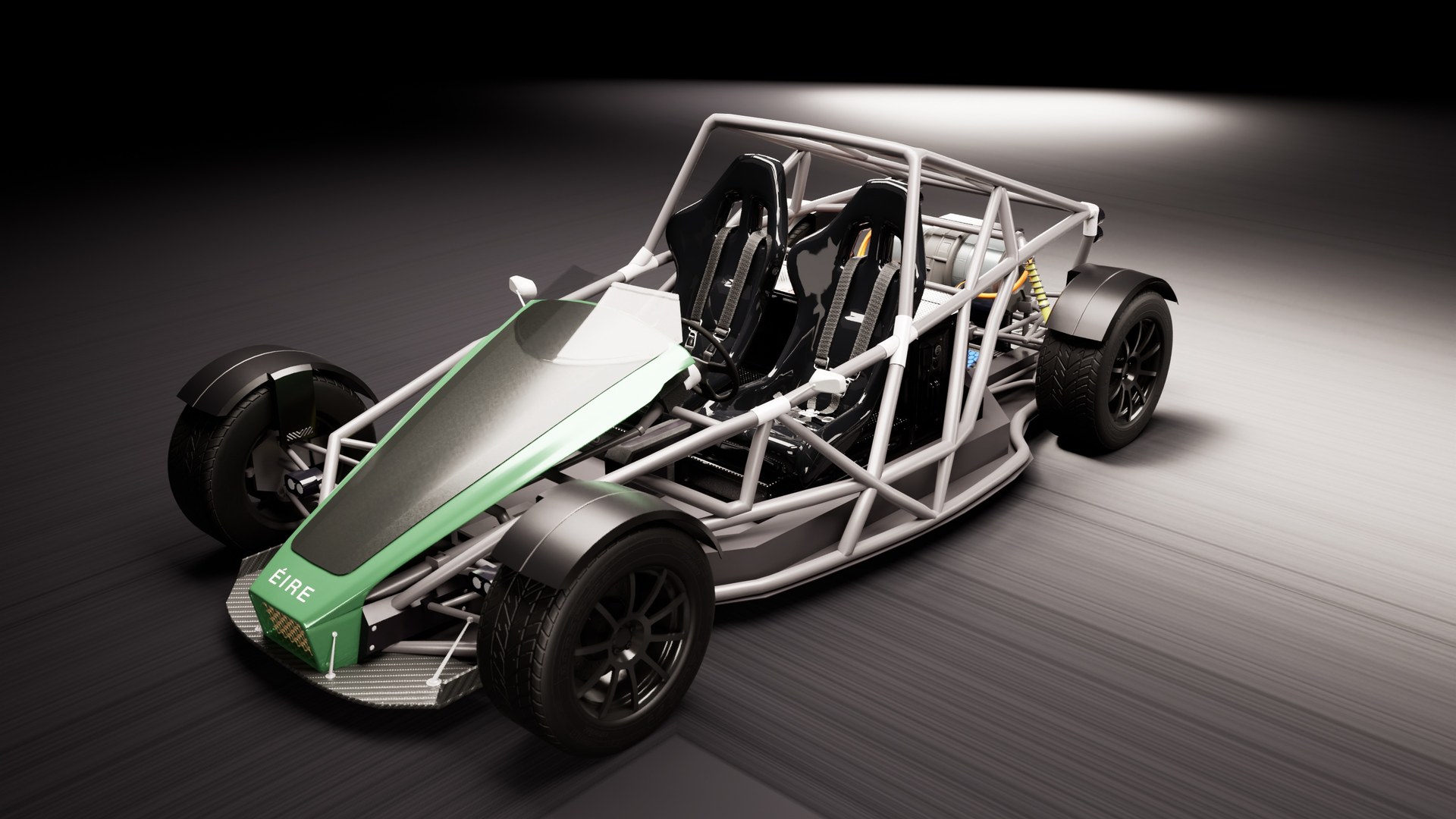
The Forge Mk I is where we learn. It is our all-electric, lightweight, track-focused development car, and it exists for precisely the reason laid out above: validation does not shrink with volume, so it is better done on a car built to teach us than on the car built to be kept. Composite work, thermal systems, control software, assembly methods, the discipline of building the same thing correctly more than once — the Forge is where those lessons are paid for, so the Eden GT does not have to pay for them twice.
None of this makes an exotic car cheap. It makes it explicable. When we say a car costs what it costs, we would rather you understood exactly why than took it on faith.