The short definition
A boutique automaker is a company that designs and builds complete cars in deliberately small numbers, usually by hand, for customers it tends to know by name. The word that matters is deliberately. A boutique manufacturer is not small because it has not grown yet. It is small because small is the point: the scale is chosen so that each car can get more attention than a production line could ever give it.
That puts the term in the same family as “low-volume car manufacturer,” which is the phrase regulators and the trade tend to use. In practice the two overlap almost entirely. “Low-volume” describes how many; “boutique” describes why.
The spectrum: coachbuilders, low-volume makers, restomod houses, mass market
The clearest way to understand the term is to see what sits on either side of it.
Coachbuilders. Historically a coachbuilder did not make the car at all. A chassis maker supplied the frame and running gear, and the coachbuilder — the carrozzeria, in the Italian tradition — designed and built the body on top. Before the age of the unibody this was the normal way a luxury car came to exist. The practice survives in a modern form: a handful of studios still build bespoke or short-run bodies on a client’s existing car, commissioned by one owner or a small group. A coachbuilder, then, is a body-and-interior house working on someone else’s mechanical foundation. That is the honest answer to “what is a coachbuilder.”
Low-volume manufacturers. This is where the boutique automaker properly lives. The company is responsible for the whole car — its structure, its engineering, its homologation, its warranty — and chooses to build it in small numbers. Some engineer everything in-house; others integrate proven components into a chassis and body of their own design. Either way, the company’s name is on the vehicle identification plate and the responsibility is theirs.
Restomod houses. A restomod house takes an existing, usually classic, car and rebuilds it with modern engineering: better brakes, suspension, electronics, sometimes an entirely new drivetrain, with bodywork re-finished to a standard the original factory never reached. The best of them are extraordinary craftsmen. But legally and philosophically the car remains a modified example of someone else’s design, which is why the most respected restomod firms are careful to say so.
Mass-market manufacturers. At the far end sit the companies most people mean when they say “car maker.” Their defining feature is not quality but repeatability: a single design, tooled for high-volume production, where the cost of a stamping die is spread across hundreds of thousands of units and a one-cent saving per car is worth chasing. It is a different craft, optimised for a different outcome.
Why low volume changes everything
People sometimes assume a boutique car is just a normal car with more attention paid to the paint. The truth is that the volume decision reaches all the way down into the engineering.
Engineering choices. A mass-market car is designed around tooling. Every body panel has to come out of a press quickly and cheaply, so shapes are constrained by what a die can stamp. A low-volume manufacturer can use processes that would be ruinous at scale — composite moulds, hand-laid carbon, machined billet, low-pressure castings — because the tooling cost is small and the labour cost, while high per car, is spread over a run the company actually intends to complete. This is why boutique cars so often have surfaces, structures and details that larger companies cannot afford to build — not for lack of talent, but because the economics forbid it.
Hand assembly. At low volume there is no production line in the Detroit sense. Cars are built at stations, by small teams, often by the same people from bare structure to final inspection. That has a practical consequence: problems are found by human beings who recognise them, not by statistical sampling after the fact. It also has a cultural one: the people who build the car know which car they built.
Relationship with owners. When you build cars in the dozens or hundreds, the list of owners fits in one room. A boutique automaker usually knows its customers directly, specifies cars with them, and hears from them when something is right or wrong. That feedback loop is short and unfiltered.
Regulation. Every car sold for the public road has to meet safety and emissions requirements, and a small company does not get to skip them. What many markets do provide is a recognition that a company building a handful of cars a year cannot reasonably carry the same certification burden as one building millions; the specific allowances differ by country and change over time, so no serious boutique maker treats them as a shortcut. The honest posture is that the rules are the floor, and a manufacturer’s own standard sits above it.
Boutique automaker vs venture-backed car startup
This is the distinction that matters most right now, because the two get confused constantly and they are not the same thing.
A venture-backed car startup raises capital against a story about scale. The pitch is that the company will one day build cars in large numbers, and the money raised today is a bet on that future. That model has produced a few genuine successes and a long list of failures, and the pattern of the failures is consistent: the company spends on growth before it has proven the car, and the cash runs out before the product does. The incentives push toward announcements. A concept image, a sign-up count and a projected production date can all be shown to investors long before a car can be driven.
A boutique automaker is built the other way round. It does not need to become large to succeed, because its economics were designed around staying small. That changes behaviour in three ways.
Building vs pitching. A boutique company spends its effort on the object. Progress is measured in parts that exist and prototypes that run, not in slides. It may still talk about its work publicly — this journal is proof — but the talking follows the building rather than replacing it.
Pace. Without a fundraising calendar to satisfy, a boutique maker can move at the speed the engineering actually requires. That can look slow from outside. It is usually just honest.
Honesty. When a company does not need to sell a dream to survive, it can afford to say what it does not yet know. A boutique automaker can describe a car as “in development” without hedging, admit when a direction changed, and leave figures unstated until they are real. A startup under pressure often cannot.
None of this makes startups villains or boutique makers saints; plenty of small manufacturers have failed too. The difference is structural: one model succeeds by becoming big, the other by being good at being small.
What the well-known boutique automakers have in common
The term is easiest to grasp through the companies that embody it, described only by the things that are durably true about them.
Morgan, in Malvern, England, has been building cars by hand for over a century and still forms its body frames from ash wood — a practice it kept not out of stubbornness but because it works. Pagani, near Modena, was founded by a composites specialist and builds carbon-bodied cars whose every visible fastener is treated as a design object. Koenigsegg, in southern Sweden, engineers a remarkable share of its own technology in-house, from engines to transmissions, from a former air-force base. Singer Vehicle Design, in California, is the most famous restomod house in the world, reimagining classic air-cooled Porsche 911s for their owners while being scrupulous about stating that it is not a manufacturer and is not affiliated with Porsche. Gordon Murray Automotive was founded by the designer of the McLaren F1 to build cars to his own uncompromised brief, including a central driving position he has championed for decades.
What unites them is not a price bracket or a body style. It is that each company exists to build a specific kind of car to a specific standard, the founders are usually still in the building, and growth has never been the goal. Each has also been honest about what it is — Singer’s insistence that it is a restorer rather than a car maker is the clearest example, and the most instructive. Call yourself what you are.
Where Éire sits
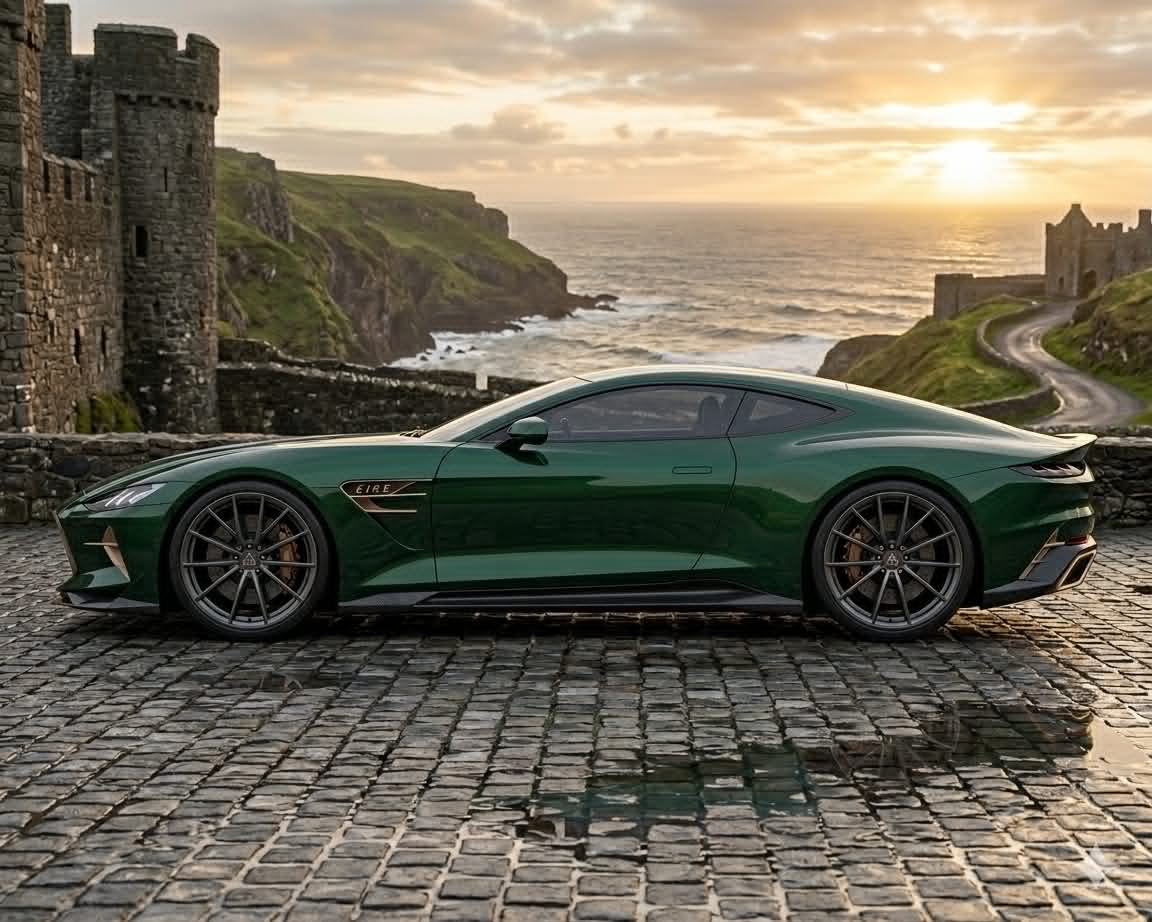
Éire Motor Company is an American boutique automaker: a low-volume car manufacturer developed in Florida and inspired by Ireland. The name, the emerald and copper, and the character of the cars come from a genuine connection to the island; the engineering and the company are American. We have written about how that came to be.
In the terms above, Éire is a manufacturer, not a coachbuilder and not a restomod house. We design the complete car and take responsibility for it. We are also not a venture-backed startup. There is no investor story about scale, because scale is not the plan.
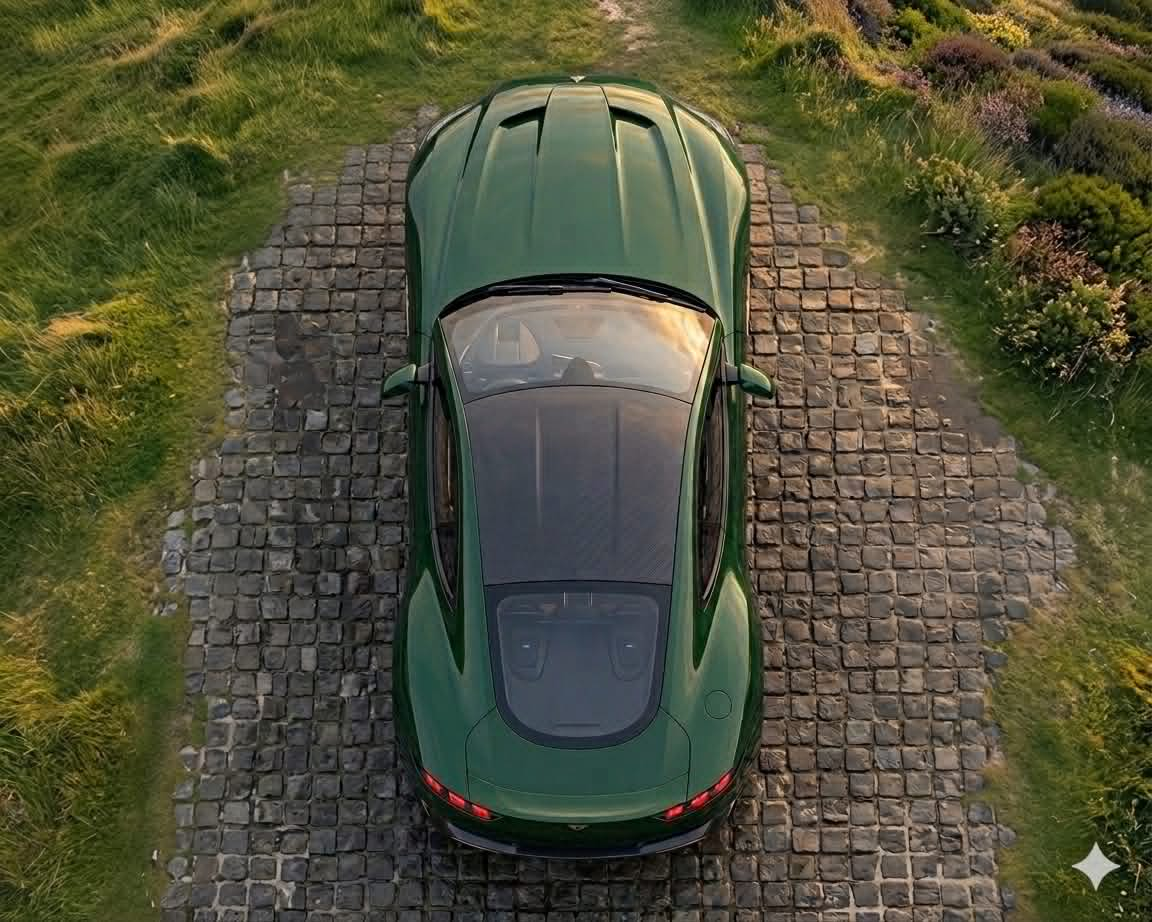
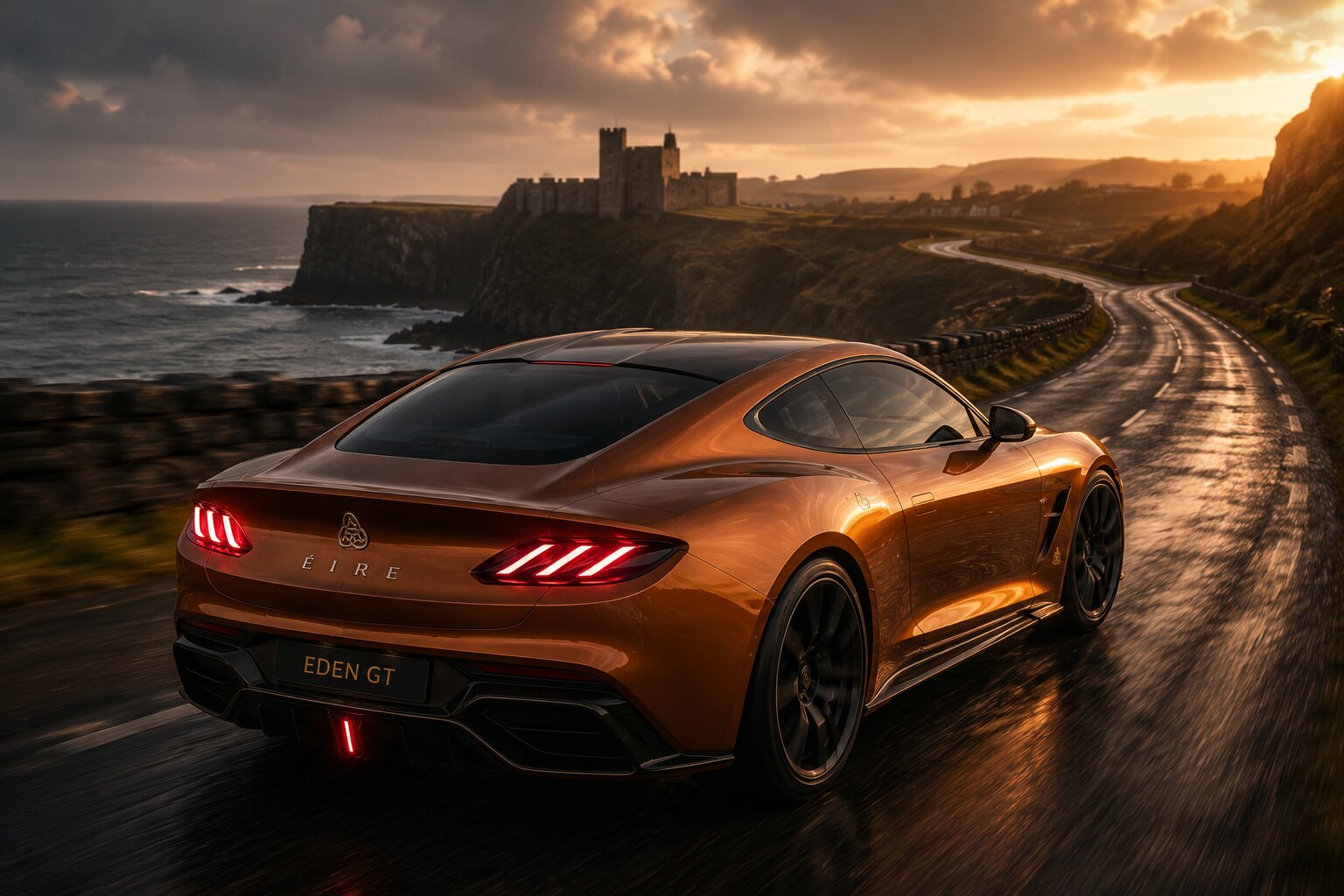
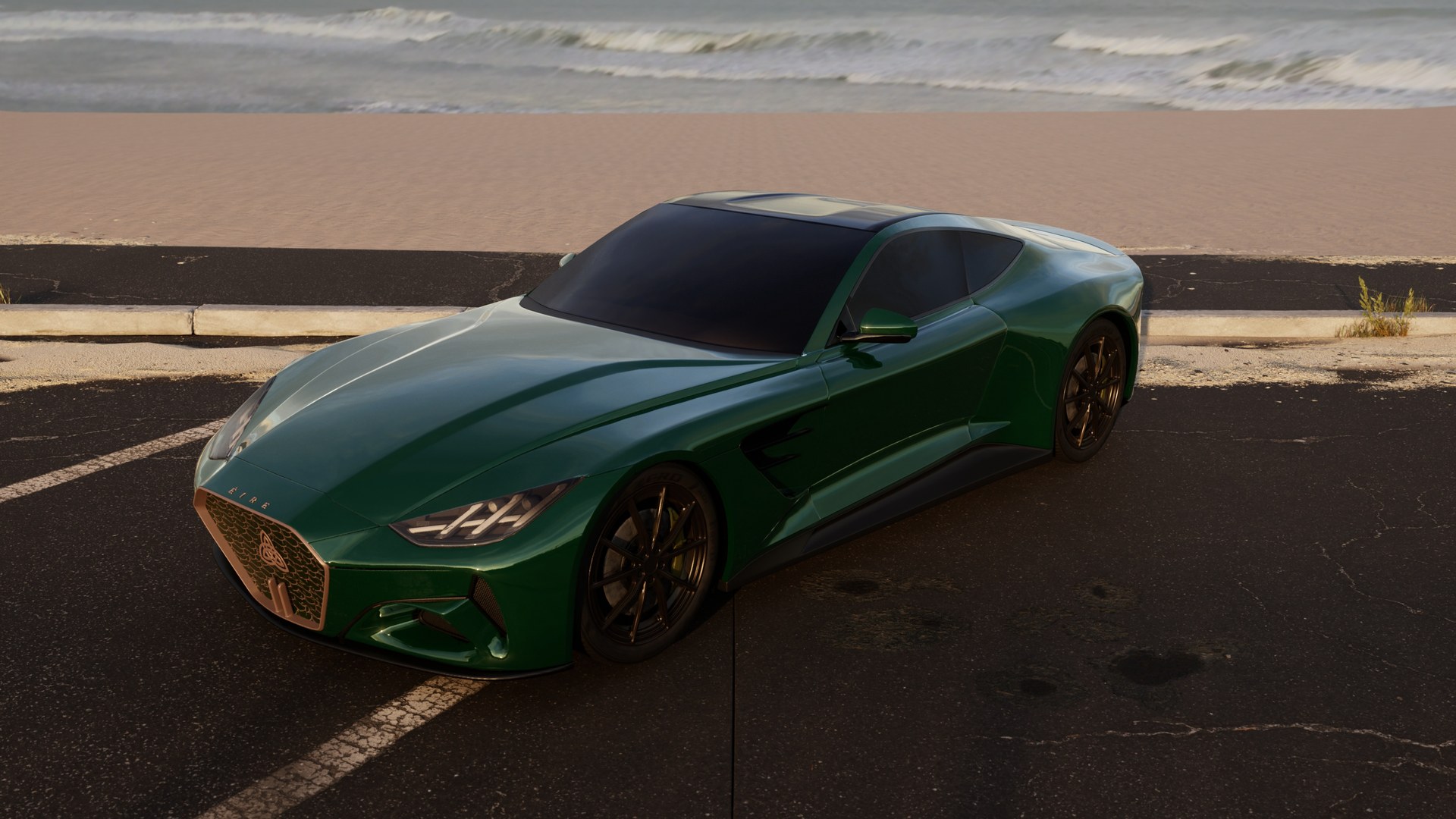
Two vehicles define that position. The Eden GT is our grand tourer — a V8 plug-in hybrid, currently in development, and built as a numbered Founder Series of fifty. The Forge Mk I is the first Éire vehicle to reach the road: an all-electric, lightweight, track-focused development car on which the company learns, tests and proves its engineering before the grand tourer carries it. The Forge comes first because a boutique automaker earns the right to build its flagship by building something smaller and harder first.
That is the whole definition, applied to one company. Small by choice. Responsible for the whole car. Building before talking. Honest about what is finished and what is not.